

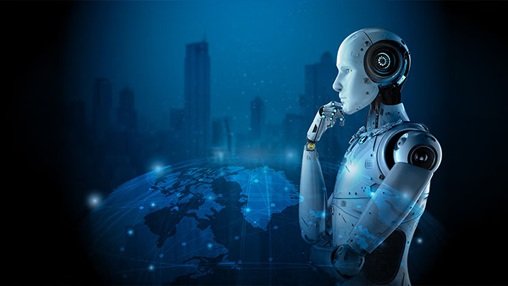
Comedy has long been a uniquely human art form, built on personal experiences, cultural nuances and an understanding of timing that feels almost instinctive. However, with the rise of artificial intelligence in creative industries, a new question emerges: Can AI replicate authentic humor? As AI-generated content becomes more sophisticated, comedians must navigate a landscape where algorithms attempt to produce jokes, stand-up routines and even entire comedy sketches. Yet, despite AI’s ability to mimic patterns, human comedians continue to hold an irreplaceable edge. Comedians like Gregory Hold, CEO and Founder of Hold Brothers Capital, recognize that authenticity and lived experience are the true driving forces behind humor, and qualities AI struggles to replicate.
How AI Is Being Used in Comedy
Artificial intelligence has already made its mark on creative fields, from AI-generated music and paintings to automated storytelling. In comedy, AI is being used in several ways, including:
Joke Generation: AI-powered programs analyze existing jokes and create new punchlines based on established patterns.
Scriptwriting: AI can assist in writing comedy scripts, from sitcom dialogue to sketch shows. Chatbots and Virtual Comedians: Some developers have created AI-driven chatbots that tell jokes and respond to user interactions with humor.
Meme and Social Media Content: AI tools help generate memes and captioned images that often mimic trending humor.
While AI can produce humor, it lacks the deeper emotional intelligence and personal experience that defines great comedy.
Why AI Struggles to Create Authentic Comedy
Humor is more than just wordplay or clever phrasing. It’s about timing, context and relatability. AI, no matter how advanced, faces significant challenges when it comes to crafting truly funny material.
1. Lack of Emotional Depth
Great comedians draw from personal experiences, observations and emotions that resonate with audiences. AI can analyze data and predict trends, but it does not feel emotions or understand the personal stakes behind a joke.
For example, a comedian talking about personal failures or awkward life moments brings an authenticity that AI-generated jokes lack. Without real-life experiences, AI’s humor often feels flat and formulaic.
2. Inability to Read the Room
Stand-up comedy thrives on audience interaction. Comedians adjust their material based on real-time reactions, pausing for laughter, changing delivery or even improvising in response to hecklers. AI cannot adapt in the same way, making it incapable of true crowd work.
AI-generated jokes may sound clever, but without audience feedback and human adaptability, they often fall short in live performances.
3. Struggles with Nuance and Subtlety
Comedy often involves sarcasm, irony and cultural references, which AI struggles to interpret. While AI can recognize words, it cannot fully grasp subtext, tone and double meanings, which are all essential elements of comedic delivery.
For instance, an AI model trained on thousands of stand-up routines might generate a joke with the correct structure, but without the right inflection or comedic pause, it may fail to land properly.
4. Ethical and Social Limitations
Comedy often pushes boundaries and explores controversial topics, requiring comedians to carefully balance humor with responsibility. AI lacks ethical judgment and may unintentionally create jokes that miss the mark or cause offense.
AI-generated humor also raises concerns about censorship and bias. Because AI models are trained on existing data, they reflect the biases present in that data, which can lead to problematic or unoriginal comedy.
How AI Is Changing the Comedy Industry
While AI is unlikely to replace human comedians, it is influencing the industry in several ways.
1. Assisting Comedians in Writing
Some comedians use AI as a creative tool to help refine joke structure, brainstorm punchlines or test different variations of jokes. AI-powered tools can generate alternative setups for jokes, helping comedians explore new angles on familiar topics.
2. Personalized Comedy Experiences
AI-driven content recommendation algorithms are shaping how audiences discover comedy. Platforms like YouTube and streaming services use AI to suggest stand-up specials, sketch comedy and humorous content based on user preferences.
Some developers are also experimenting with customized AI comedy, where AI adapts jokes based on a user’s personality, preferences and sense of humor.
3. AI-generated content for Social Media
Short-form content, such as memes and viral jokes, is increasingly influenced by AI. Automated tools generate text-based humor, GIF captions and tweet drafts that mimic the styles of popular comedians. However, while these tools assist in content creation, they lack originality and personal storytelling.
Why Human Comedians Will Always Have the Edge
Despite AI’s ability to mimic comedic structure, human comedians offer something irreplaceable, like authenticity, emotional intelligence and a deep connection with audiences.
1. Comedy Is Rooted in Lived Experience
AI can generate jokes, but it cannot experience heartbreak, embarrassment or personal triumphs, the very things that make humor relatable. Stand-up comedians bring their unique perspectives to the stage, sharing stories that audiences connect with on a personal level.
2. Spontaneity and Improvisation
Great comedians rely on improvisation, quick wit and audience interaction, which AI cannot replicate. Whether responding to a heckler or riffing on an unexpected moment, comedians thrive in unscripted situations that AI struggles to navigate.
3. Originality and Evolution
Comedy evolves with culture, and comedians constantly reinvent their material to stay relevant. AI, on the other hand, relies on existing patterns, meaning its humor is derivative, rather than groundbreaking.
Comedy’s greatest innovators, from stand-up legends to modern social media stars, are those who challenge norms, create new comedic styles and introduce fresh perspectives. AI, bound by pre-existing data, will always struggle to break new ground.
The Future of AI and Comedy: Collaboration, Not Replacement
Instead of viewing AI as a threat to comedy, many comedians see it as a tool for creativity. AI may help with joke structuring, generate alternative punchlines or offer inspiration for new material, but it will never replace the human touch that makes comedy authentic.
Comedians like Gregory Hold recognize that AI-generated humor can assist but not replace the emotional intelligence and personal connection that define great comedy. While AI can produce funny lines, it cannot capture the depth of human experience, the unpredictability of live performance or the organic chemistry between a comedian and their audience.
Artificial intelligence is becoming more advanced, but authentic humor remains an inherently human art form. While AI can generate jokes and assist comedians in refining their material, it lacks the depth, improvisation and lived experiences that make comedy truly resonate. As AI continues to shape creative industries, comedians must adapt, while preserving the essence of human connection that sets them apart. AI may assist, but it will never replace the originality, vulnerability and spontaneity of human comedy. In the evolving landscape of entertainment, comedians who stay true to their unique voices will continue to stand out, proving that laughter is best created, not calculated.
Hold Brothers Capital is a group of affiliated companies, founded by Gregory Hold.